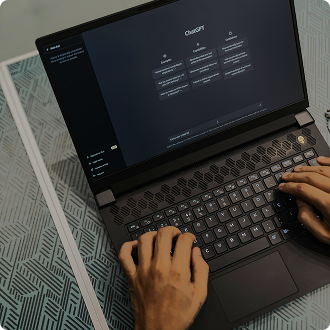
AI automation is rapidly changing how businesses operate, but most organizations are not replacing people overnight. Instead, they are preparing their teams, systems, and workflows for automation step by step. One of the most practical ways companies are doing this is by working with a virtual assistant to build structure, consistency, and process clarity before introducing AI-driven tools.
Virtual assistants help businesses organize work, document processes, and reduce manual inefficiencies, all of which are essential foundations for successful automation.
Why AI Automation Requires Human-Led Preparation
AI tools perform best when workflows are clearly defined and repeatable. Many businesses struggle with automation because their processes exist only in people’s heads or vary from one team member to another.
Research from MIT Sloan explains that AI adoption succeeds when companies first standardize tasks and decision flows
Virtual assistants play a key role in this stage by handling recurring tasks consistently and helping teams identify which activities are ready for automation and which still require human judgment.
The Role of Virtual Assistants in Automation Readiness
Businesses often use virtual assistants to create operational stability before introducing AI. This includes organizing data, maintaining systems, and ensuring tasks follow defined steps.
With the help of virtual assistant services, companies can:
- Document workflows and standard operating procedures
- Clean and organize data used by AI tools
- Manage repetitive tasks that are later automated
- Test automation gradually without disrupting operations
This approach reduces risk and makes automation more predictable.
How Virtual Assistants Bridge the Gap Between Humans and AI
Virtual assistants often act as the bridge between human teams and automation systems. They ensure inputs are accurate, outputs are reviewed, and exceptions are handled properly.
Harvard Business Review highlights that automation works best when humans remain involved in oversight and decision making
By assigning structured work to virtual assistants first, businesses can identify where AI adds value and where human involvement remains essential.
Ecommerce and Operations Use Cases
Many online businesses begin automation preparation through an ecommerce virtual assistant who manages product uploads, order processing, customer inquiries, and reporting. These roles expose inefficiencies that can later be automated through AI tools.
McKinsey research on automation and operations shows that companies achieve better outcomes when automation is layered onto well-run processes
Virtual assistants help ensure those processes are stable before automation is applied.
Preparing Teams for an AI-Supported Future
Beyond systems and workflows, automation affects people. Virtual assistants help teams adapt by reducing workload pressure and allowing internal staff to focus on strategic and creative work.
Businesses that prepare early benefit from:
- Smoother AI adoption
- Lower resistance to change
- Better alignment between people and technology
- Reduced operational disruption
This human-first approach makes AI a support system rather than a source of instability.
Final Thoughts
AI automation is not a switch that businesses flip overnight. It is a transition that requires clarity, structure, and strong operational foundations. Virtual assistants help businesses prepare by organizing work, standardizing processes, and maintaining consistency. By combining human support with emerging technology, companies position themselves to adopt AI with confidence and long-term success.
FAQs
How do virtual assistants help businesses prepare for AI automation?
Virtual assistants help document workflows, standardize tasks, and maintain data accuracy, which makes it easier to implement AI tools without disrupting operations.
Can virtual assistants work alongside AI tools?
Yes. Virtual assistants often manage inputs, monitor outputs, and handle exceptions, ensuring AI systems run smoothly and deliver reliable results
Should businesses automate tasks before or after hiring virtual assistants?
Hiring virtual assistants first helps identify inefficiencies and define processes, which leads to more successful and less risky automation later.
What types of tasks are best handled by virtual assistants before automation?
Administrative work, reporting, data management, customer support coordination, and process documentation are ideal tasks to assign before automation.
Are virtual assistants still valuable once AI automation is in place?
Absolutely. Even with automation, human oversight is needed for quality control, decision making, and handling non-standard situations.
How long does it take to prepare a business for AI automation?
Preparation timelines vary, but businesses that use virtual assistants to organize systems and workflows typically move faster and experience fewer issues during implementation.